Investors today are navigating a confusing landscape. On one hand, the CPI data analysis shows trends moving lower, signaling that the Federal Reserve’s battle against inflation is making progress.
However, as Chief Investment Officer Jim Gore explains in this latest market commentary, looking under the hood reveals a more complex picture.
Key Drivers of These Conflicting Economic Signals:
The Inflation Paradox: While headline inflation is cooling, key drivers like the national debt vs. inflation relationship and money supply trends remain significantly above their long-term trend lines. This suggests that structural inflationary pressure hasn’t fully disappeared.
Economic Strength: Despite fears of a recession, current GDP growth trends remain healthy, showing resilience in the broader economy.
Valuation Risks: With the market digesting these mixed signals, Jim reviews current stock market valuations—many of which appear elevated relative to historical averages.
Watch the full video above to understand how we are positioning portfolios for the 2025 economic outlook amidst these mixed signals.
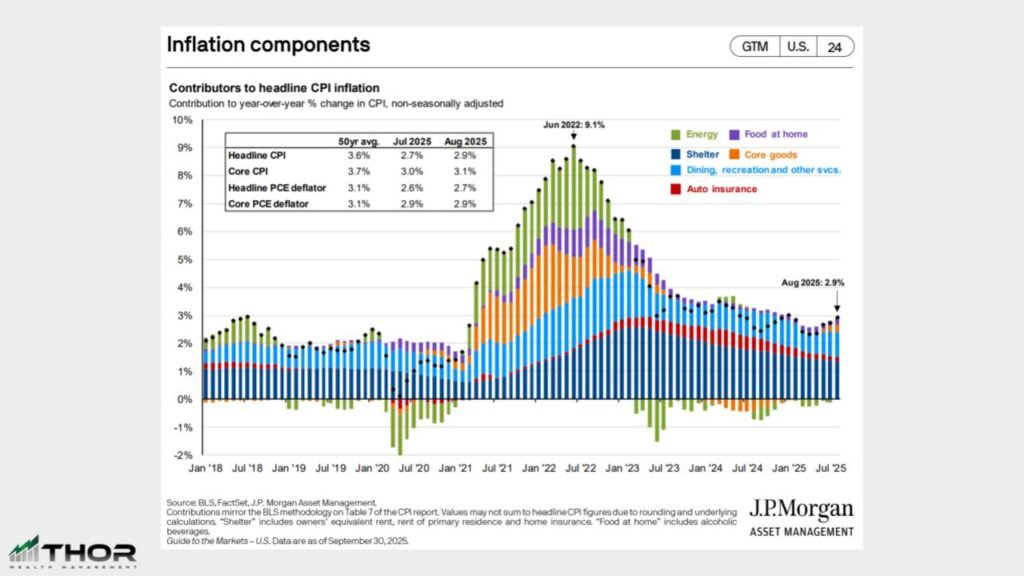
While headline inflation is trending down, this breakdown shows that core services and shelter costs are keeping pressure on the economy.
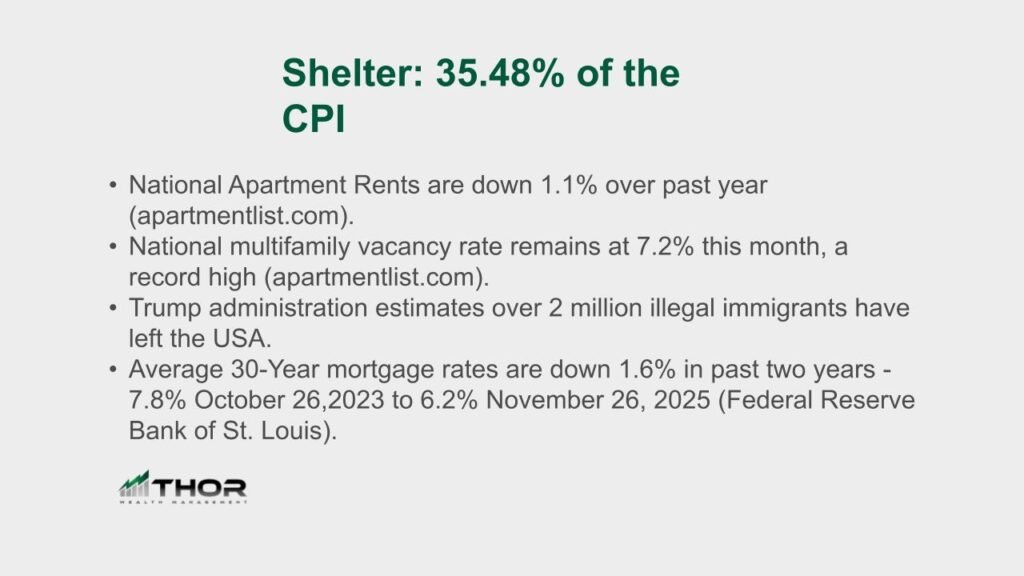
Official government data on shelter costs often lags behind reality. As shown here, real-time rental data suggests housing inflation has already cooled significantly.
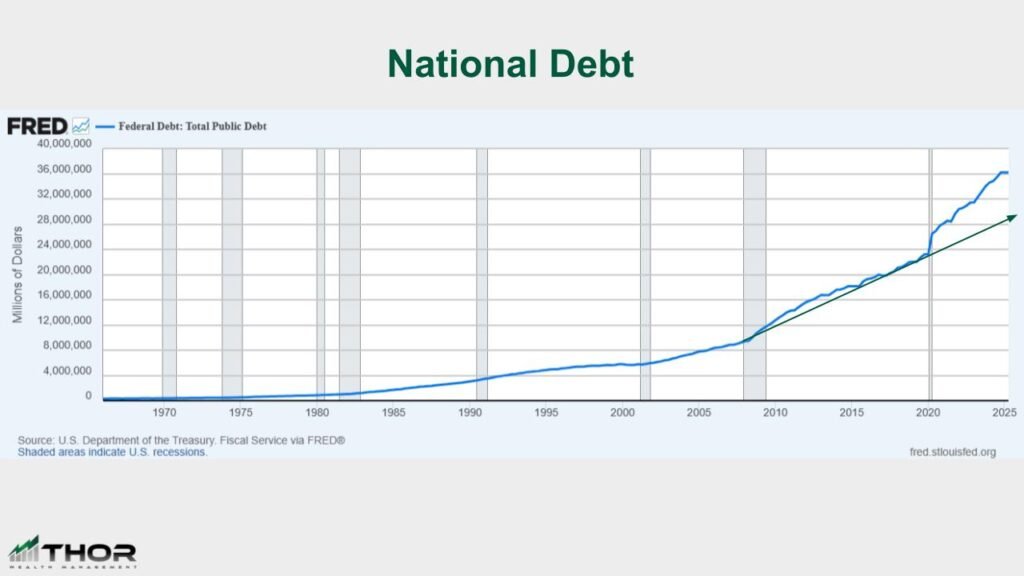
One of the conflicting economic signals: The US National Debt has moved aggressively above its historical trend line, acting as a long-term inflationary force.
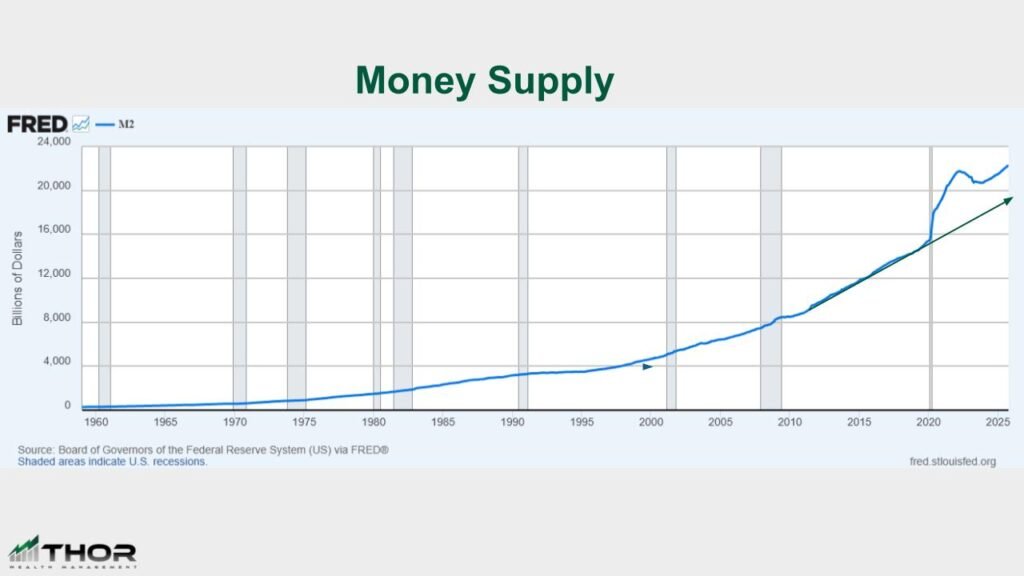
The “fuel” for inflation: M2 Money Supply remains elevated well above historical norms, complicating the Federal Reserve’s efforts to bring prices down.
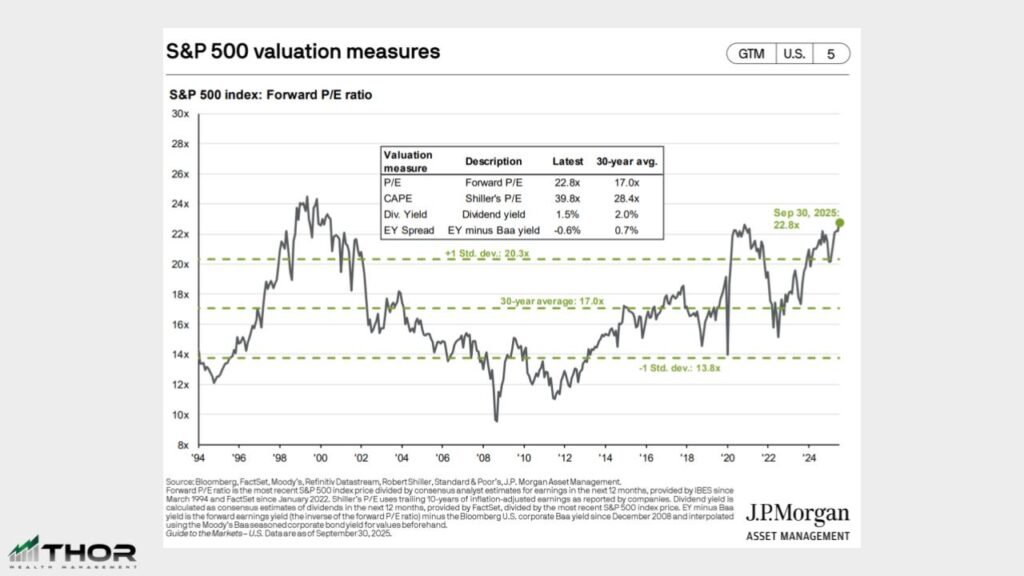
Are stocks too expensive? A review of current valuation measures suggests the market is priced for perfection, leaving little room for error.