While headline inflation numbers often dominate the news, the underlying commodity and bond markets usually tell the real story of where the economy is heading.
In this market update, Jim Gore breaks down several key inflation market indicators that suggest we may be facing a period of rising prices ahead. By looking beyond the standard metrics and analyzing the movements of copper, natural gas, and the US Dollar, we can get a much clearer picture of the macroeconomic landscape.
Coupled with rising federal debt levels and shifting Treasury bond yields, these signals paint a complex picture for investors. Here is a look at the data driving our analysis and how we are interpreting these warning signs.
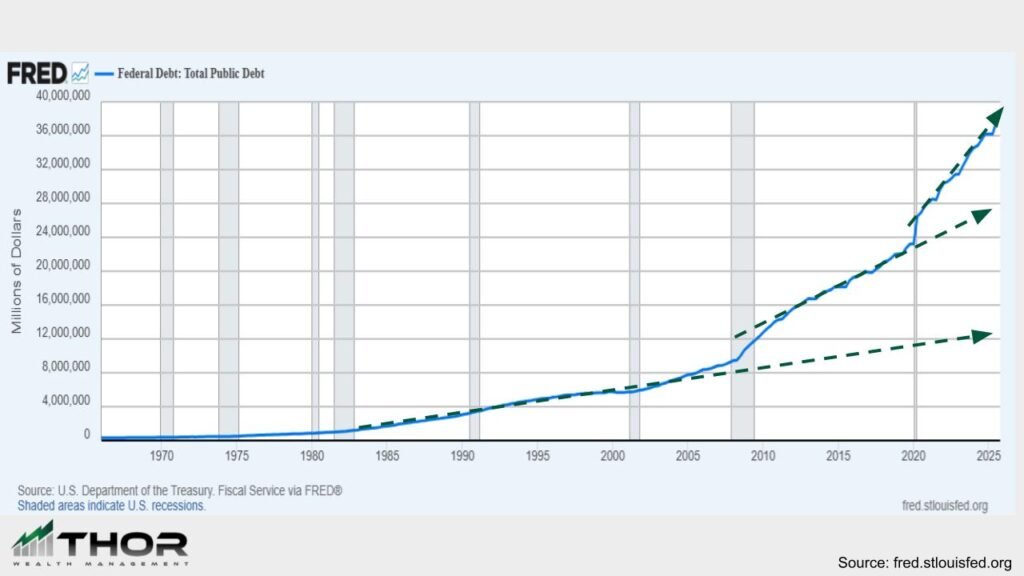
We start by examining the massive levels of U.S. Federal Debt. We discuss how continuous deficit spending creates a structural headwind for the economy and puts upward pressure on long-term inflation.
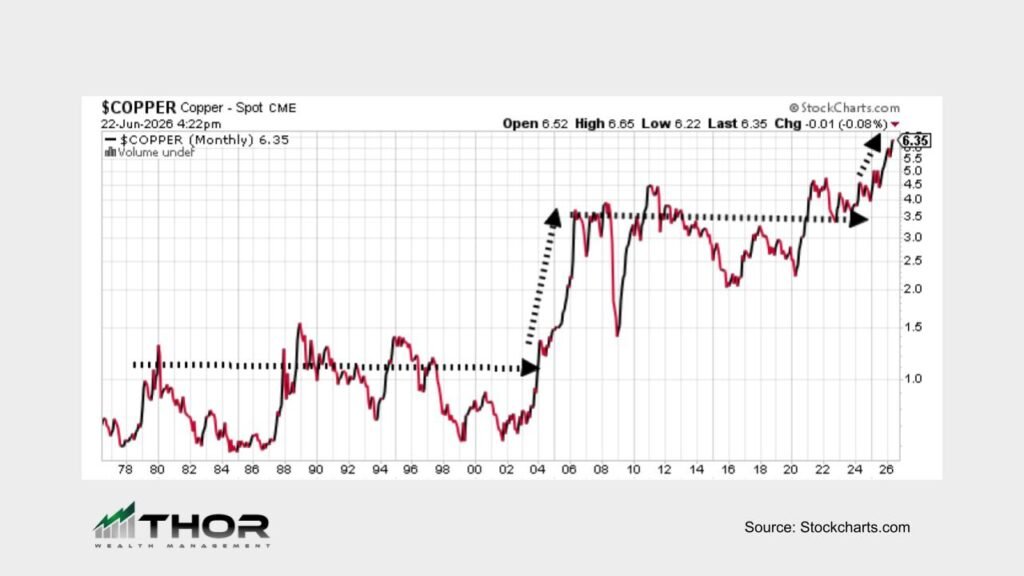
Often referred to as “Dr. Copper” for its ability to diagnose the health of the global economy, we look at why rising copper prices are a classic leading indicator for broader inflation.
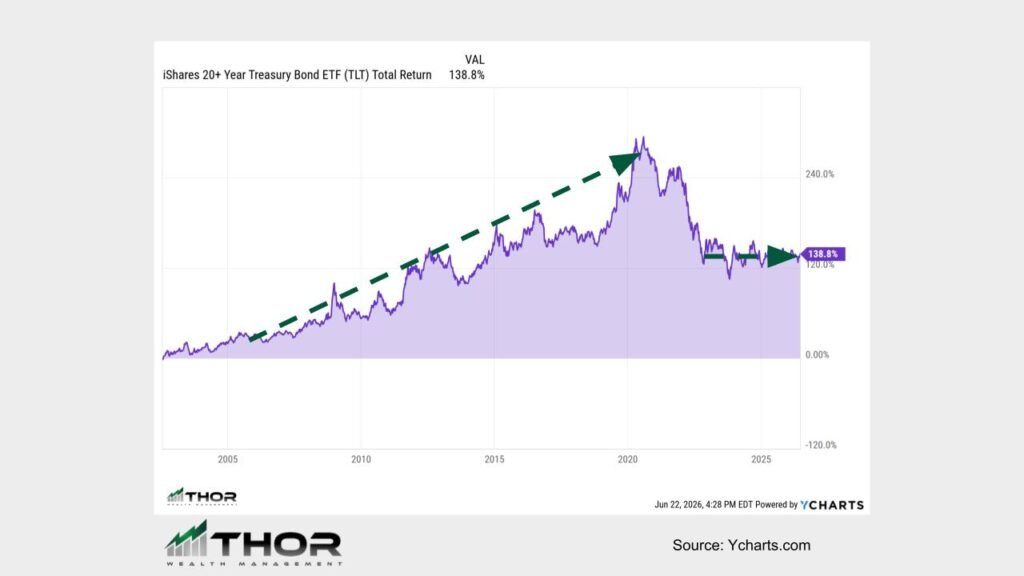
Poor performance in the long term treasury bond over the past few years is a signal that inflation is a concern.
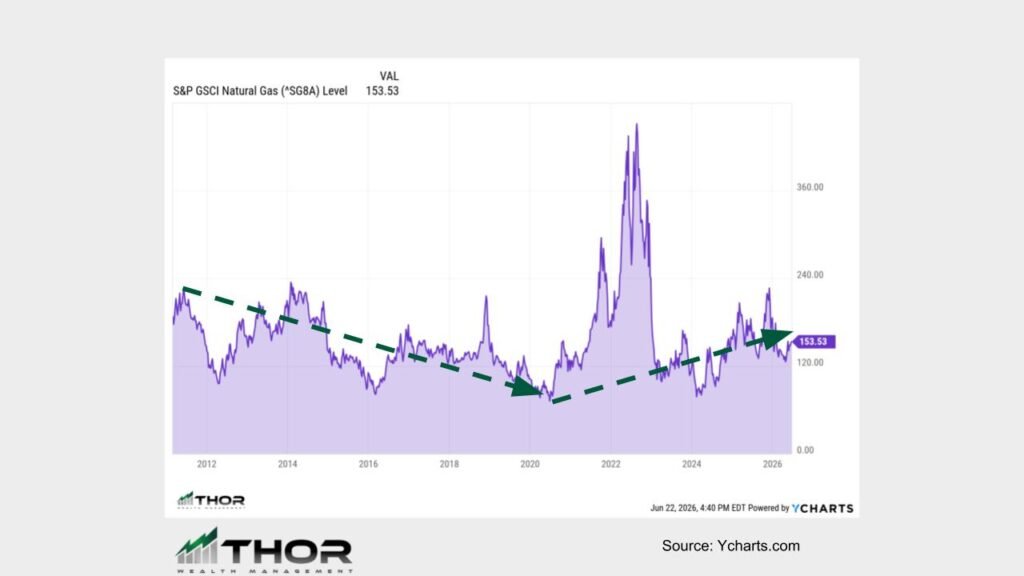
There has been an upward trend in the price of natural gas. This is due to the increased demand for power and reliable energy. This is another signal of broader commodity inflation.
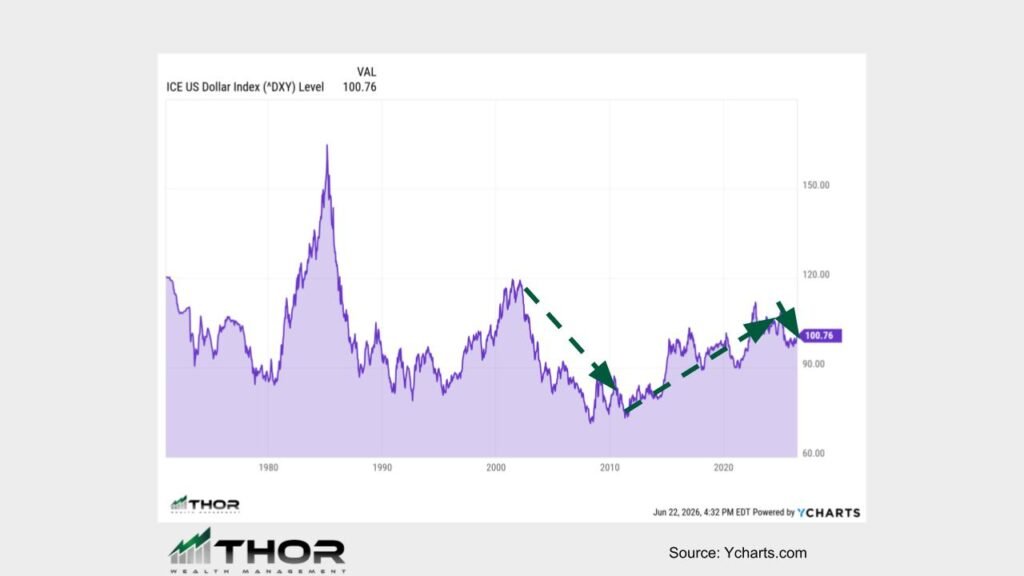
In the last 18months we have seen weakness in the US Dollar. If this continues we could see more expensive goods overseas and a further increase in inflation.
When multiple market signals point toward inflation, passive investing strategies often struggle to adapt. At THOR Wealth Management, our active investment management approach relies on exactly this kind of objective data to protect and grow our clients’ portfolios.
If you are concerned about how rising debt, shifting bond yields, or inflation might impact your retirement, a comprehensive financial plan can provide clarity. Reach out to our 100% employee-owned team today to discuss your strategy.