
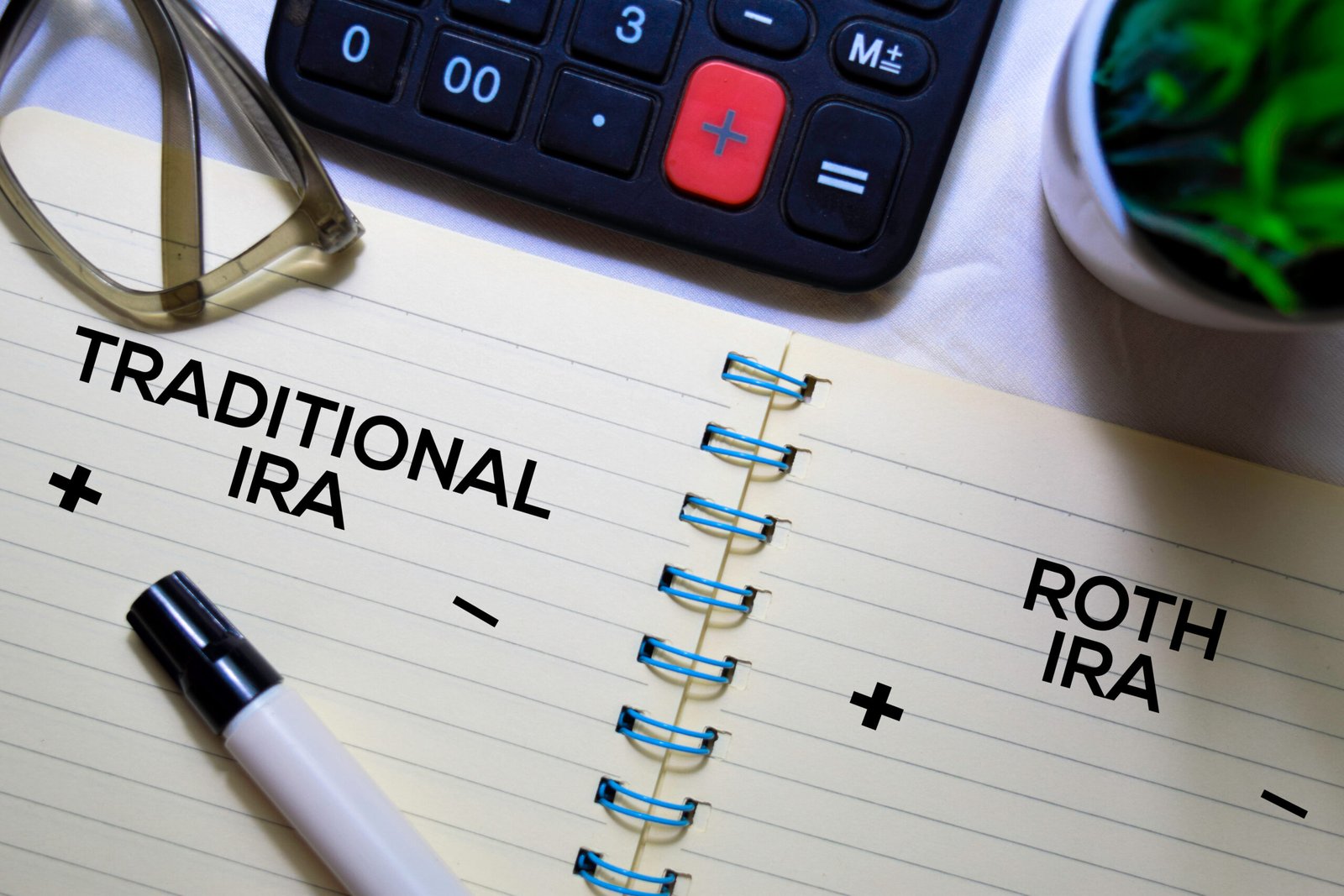

Among many of the topics that are appropriate to address at the end of the year financially, one of the most important is tax planning. Within that overarching topic is the more specific subject of Roth conversions. In short, a Roth conversion involves the distribution of some or all of your pre-tax IRA assets and “converting” that distribution into a Roth IRA. This is a taxable event given that you are taking a distribution but, in many cases, it makes financial sense to do so.
Understanding the Roth Conversion Opportunity
There are two general opportunities as it relates to Roth conversions:
- The first opportunity would be the conversion of a small to medium size company retirement plan that you have either left in the previous employer plan, or you have rolled over to an IRA. Given the propensity of younger generations to change jobs more frequently, we often find the 30- to 40-year-old age group has one or more accounts that could and should be considered a Roth conversion candidate.
- The other common Roth conversion window is between your retirement date and when you begin to take your social security benefits. This window can even be stretched further, waiting until you begin taking your Required Minimum Distribution (RMD). The reason this period is an ideal time to execute Roth conversions is that, in many cases, your income is lower because you are taking income only from your after-tax assets such as a joint or trust account and hence, adding some income from a Roth conversion doesn’t necessarily bump you up into higher tax brackets.
Why Year-End is the Best Time to Plan
So, why wait until year end to consider a Roth conversion when there are already so many issues to address at year end, financially and otherwise?
- As alluded to already, Roth conversions involve the distribution of funds from a pre-tax IRA account and in turn, create more taxable income. So, year-end is when you are going to have the best handle on your total compensation for the year and can do the most accurate planning.
Steps to Evaluate a Roth Conversion
There are some key steps you need to take when considering a Roth conversion including the following:
- Identify all your income for the year. This includes wages and bonuses, dividends and interest, capital gains, etc.
- Mock-up different tax scenarios, including varying amounts of potential Roth conversions. Make sure to include a scenario with no Roth conversions, so you have a basis for comparison. Consider both federal and state tax implications when developing these scenarios.
- Analyze the different possibilities, considering how much in additional tax (both federal and state) you will be paying in comparison to the base case for each scenario.
The Long-Term Benefits: Reducing RMDs and Legacy Planning
Finally, you have all the information you need to decide on how much of a Roth conversion, if any, you will take for the year. Remember that you are making a trade-off when considering a Roth conversion. If you execute the Roth conversion, you will enjoy tax-free growth for many years to come and tax-free distributions when you need to tap the funds in the account but will have already paid your tax bill in the current year. Additionally, passing a Roth IRA to your heirs, potentially to your children during their highest earning years, means they do not have to pay any taxes either. However, if you leave the funds in the traditional IRA account or company retirement plan, you will avoid tax in the current year and still be able to take advantage of tax-deferred growth over the same time period. Those future distributions, though, will be taxed at your then marginal income tax rate.
One final note – converting pre-tax assets to Roth accounts, whether you are considering that small 401(k) from your previous employer you have yet to attend to or executing the conversion of assets during the window between retirement and your receipt of social security benefits, has another significant benefit. Many people are unfamiliar with the RMD rules. These rules require you, when you reach the age of 73 or 75, depending on your current age, to take an RMD from your pre-tax assets for the remainder of your life. If, after a career of building up your pre-tax assets in your 401(k), you now have a large account value, those RMDs will be significant and potentially create more income than you need. But at that point you are stuck. Converting those assets before reaching that RMD age decreases those minimum distribution amounts and likely reduces your lifetime tax bill as well.
Should you need help considering how all this is best executed, given your particular financial and tax situation, please don’t hesitate to give us a call.