Sell in May and Go Away is one of the most well-known seasonal investing sayings, suggesting that stock market returns tend to be weaker during the summer months and stronger from late fall through spring. But does this long-standing market adage still hold up today — and should investors actually act on it?
In this video, we break down what Sell in May and Go Away really means, where the idea originated, and how investors should think about market seasonality in a modern context. Historically, some data has shown that equity markets have produced lower average returns between May and October compared to November through April. This pattern has led to the belief that reducing risk exposure during the summer may improve long-term performance.
However, seasonal investing strategies like Sell in May are far from foolproof. Market conditions, monetary policy, economic cycles, and investor behavior have evolved significantly over time. Transaction costs, taxes, and the risk of missing unexpected market rallies can also reduce or eliminate any potential advantage from timing the market based on seasonality alone.
Rather than treating Sell in May as a strict rule, many investors view it as one data point among many. Understanding historical trends can be useful, but successful investing typically requires a broader framework — including diversification, risk management, valuation awareness, and long-term discipline.
This video walks through the key considerations investors should keep in mind when evaluating seasonal market strategies in 2025 and beyond. Whether you’re a long-term investor, an active portfolio manager, or simply curious about common market myths, this discussion provides helpful context for making more informed investment decisions
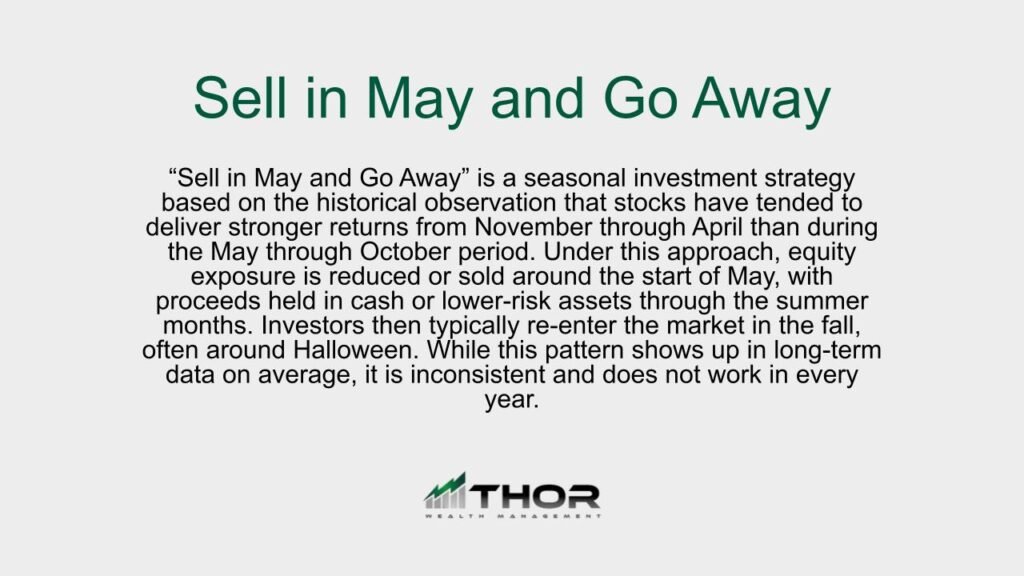
What is the “Sell in May and Go Away” seasonal investment strategy?
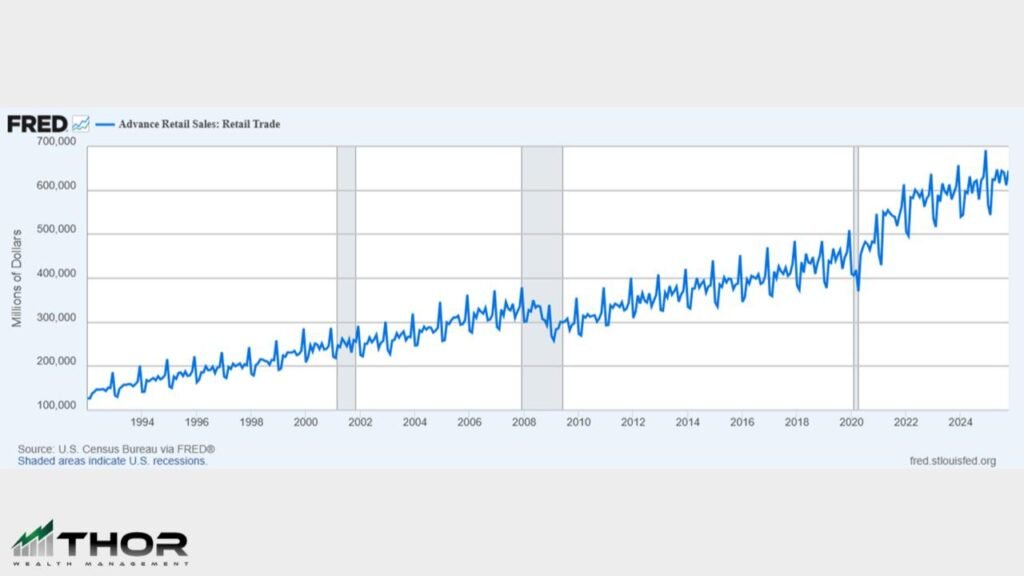
This chart clearly shows the seasonality in retail sales numbers.
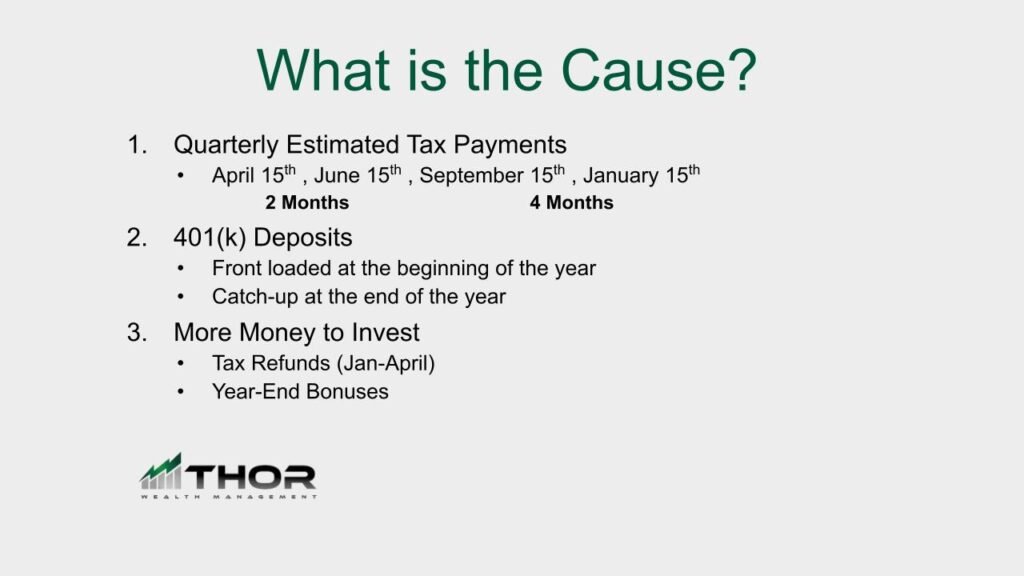
Quarterly estimated tax payments, timing of 401k deposits, and timing of excess cash flow all factor into this seasonality.
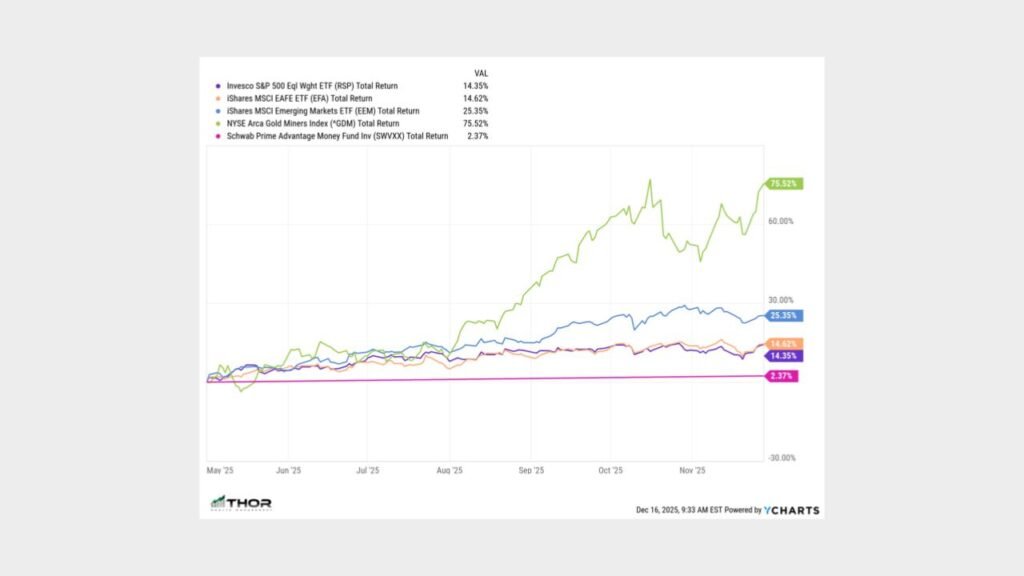
Market returns in 2025 show that this seasonal investment strategy did not work.